

Safety Requirements for Accumulator Servicing
/ 2
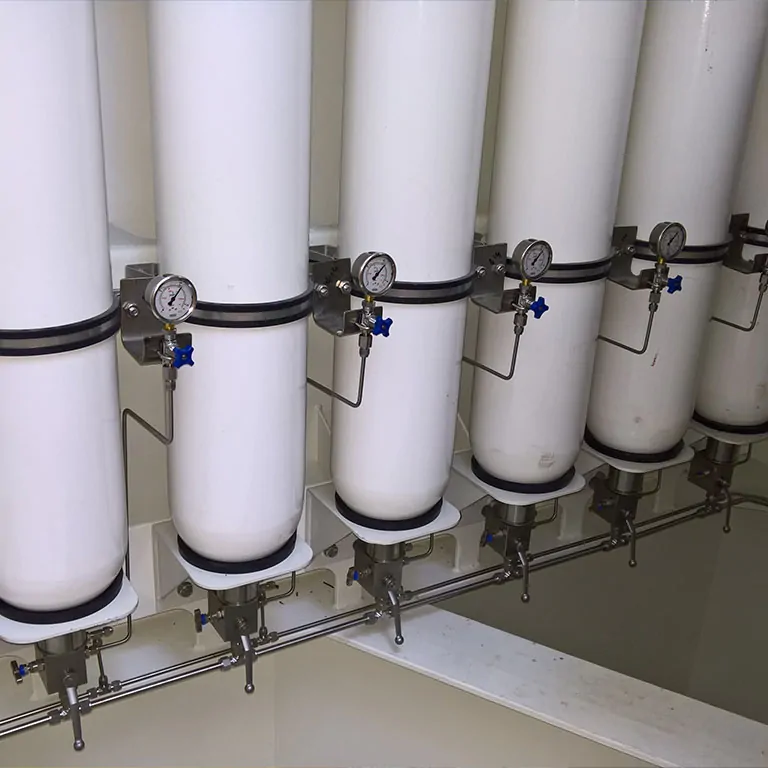
Hydraulic accumulators store energy under pressure, helping systems absorb shocks, maintain pressure, compensate for leakage and deliver additional fluid when required. However, their ability to store energy also makes correct inspection, maintenance and servicing essential.
For maintenance managers, plant operators and engineers, understanding hydraulic accumulator servicing in the UK involves more than following a routine maintenance schedule. It also means identifying which regulations apply, establishing inspection requirements and ensuring work is carried out by competent personnel.
Why Is Hydraulic Accumulator Servicing Important?
Many hydraulic accumulators use compressed nitrogen separated from hydraulic fluid by a bladder, piston or diaphragm. Even when a hydraulic system has been switched off, an accumulator may retain stored energy.
Incorrectly releasing pressure, dismantling a unit without following the manufacturer’s procedure or using unsuitable charging equipment can create serious safety risks.
Regular servicing can help identify issues such as nitrogen pre-charge loss, damaged seals, corrosion and deterioration of internal components. It can also help maintain system performance and reduce the risk of unexpected downtime.
Which UK Regulations Apply to Hydraulic Accumulators?
Pressure Systems Safety Regulations 2000 (PSSR)
The Pressure Systems Safety Regulations 2000 are intended to prevent serious injury arising from the failure of pressure systems and the release of stored energy.
Depending on the system configuration and the fluids involved, a gas-loaded accumulator may form part of a pressure system that falls within the regulations. However, not every hydraulic system or accumulator automatically falls within PSSR. The Health and Safety Executive (HSE) specifically notes that hydraulic oil itself is not a relevant fluid under these regulations.
Employers and system owners should therefore establish whether their particular equipment and installation fall within scope rather than assuming that every accumulator has identical legal requirements.
Where PSSR applies, dutyholders must meet the relevant requirements, which can include having a Written Scheme of Examination (WSE) prepared by a competent person and ensuring examinations take place at the required intervals.
Read the HSE guidance on PSSR for further information.
Pressure Equipment (Safety) Regulations
The Pressure Equipment (Safety) Regulations concern the design, manufacture and conformity assessment of pressure equipment and assemblies within their scope.
These requirements are different from the ongoing inspection and safe-operation obligations that may apply under PSSR. Engineers should consider the equipment’s original conformity documentation alongside the requirements for its continued use.
The applicable obligations depend on the equipment, its installation and the relevant regulatory provisions.
What Is a Written Scheme of Examination?
Where PSSR requires it, a Written Scheme of Examination sets out the parts of a pressure system that must be examined and the nature and frequency of those examinations.
It should be prepared by a competent person and reflect the actual system and its operating conditions. There is no single inspection interval that automatically applies to every accumulator.
Engineers should check the current scheme, examination reports and maintenance records to establish what is required for their installation.
A maintenance schedule or service record should not be assumed to replace a legally required examination.
Safe Hydraulic Accumulator Servicing
Whether servicing is routine or part of a more extensive overhaul, appropriate safety procedures are essential.
Key considerations include:
- Isolation and depressurisation
Follow the manufacturer’s procedure to isolate the equipment and safely release hydraulic pressure and stored gas energy before dismantling.
- Pre-charge checks
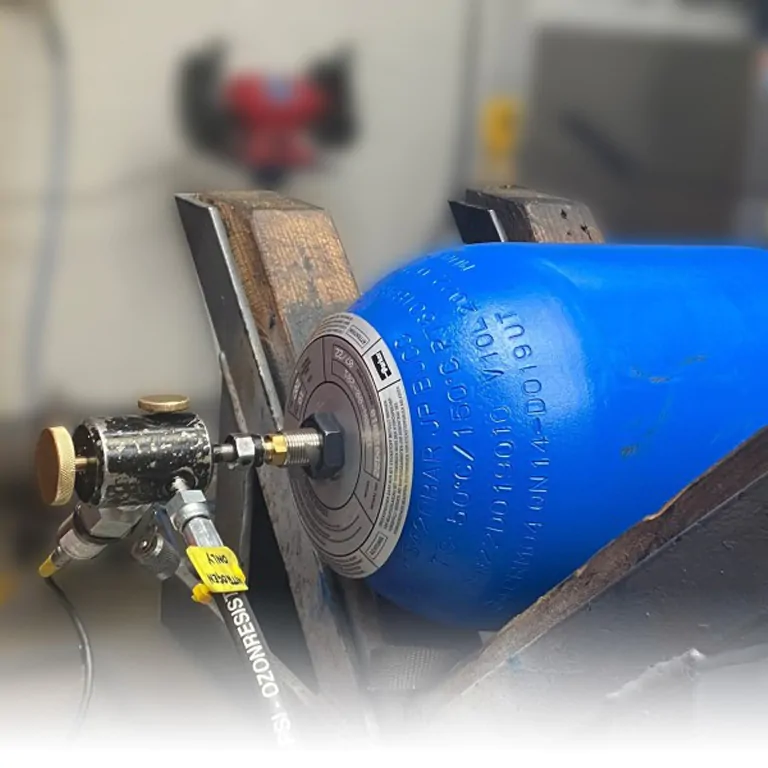
Use suitable, approved charging and measuring equipment, following the specified nitrogen pre-charge requirements. - Inspection
Check for external damage, corrosion, leakage and deterioration of relevant components. - Internal examination
Where required, have the accumulator dismantled and inspected by competent personnel using suitable procedures. - Replacement parts
Use compatible components and follow manufacturer specifications for assembly and recommissioning.
- Documentation
Retain service records, test results, examination reports and relevant certification.
Never use oxygen or compressed air to charge a nitrogen accumulator. Incorrect charging practices can create serious hazards. Accumulators should not be dismantled until the correct isolation, and depressurisation procedures have been completed.
Choosing an Accumulator Service Centre
Specialist servicing can be particularly valuable where equipment requires testing, internal repairs, recertification or supporting documentation.
When selecting an accumulator service centre, consider the provider’s technical capabilities, relevant manufacturer approvals, experience with the accumulator type and ability to supply appropriate service records.
Hedley Hydraulics operates a Parker Certified Accumulator Service Centre offering accumulator repair, testing, recertification, pre-charging, planned maintenance and access to replacement parts. The service also supports customers with documentation and accumulator management requirements.
Keep Accumulators Safe, Compliant and Reliable
Effective accumulator management combines safe working practices, planned maintenance and a clear understanding of the regulations applicable to the installation.
By reviewing equipment documentation, following manufacturer instructions and arranging examinations or servicing where required, businesses can better manage the risks associated with stored hydraulic and gas energy.
If you need support with accumulator maintenance, testing or recertification, contact Hedley Hydraulics to discuss your equipment and servicing requirements.