

What Are The Key Signs It’s Time To Upgrade Your Hydraulic Power Unit
/ 1
Hydraulic power units (HPUs) are the backbone of many industrial systems, delivering the pressure and flow required to keep operations running smoothly. But like any piece of equipment, they don’t last forever. Wear and tear, increasing demands, and rising maintenance costs can all show that your existing HPU needs an upgrade.
Knowing when to upgrade your HPU, rather than continuing with short term fixes, can help reduce downtime, improve efficiency and lower long term operating costs. Below, we explore the most common signs that it may be time for an upgrade.
What Is a Hydraulic Power Unit and Why Performance Matters
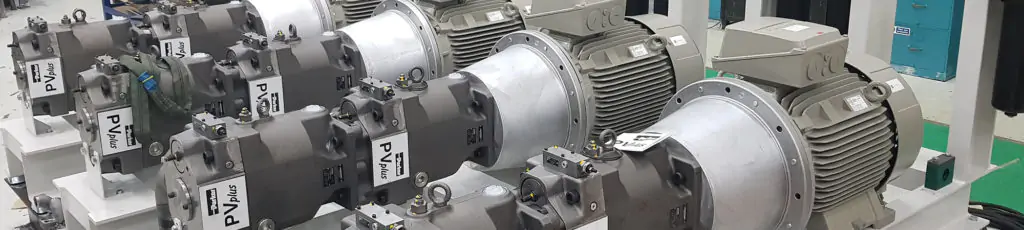
A hydraulic power unit converts mechanical energy into hydraulic energy, supplying pressurised fluid to drive cylinders, motors, and other hydraulic components. Core elements typically include an electric motor or engine, hydraulic pump, reservoir, valves, filtration and control systems.
When the HPU performs efficiently, it delivers consistent pressure and flow while keeping temperatures and contamination under control. However, when performance of the HPU starts declining, the entire hydraulic system can suffer, leading to lost productivity, higher energy use and increased risk of failure.
Increasing Breakdowns and Unplanned Downtime
One of the main indicators that it’s time to upgrade your HPU is an increase in breakdowns. If your unit requires frequent call outs, emergency repairs or component replacements, it may be approaching the end of its service life.
Unplanned downtime is costly, not only in terms of repairs but also lost production and disruption to operations. In many cases, a planned power unit replacement is far more efficient than continuing to fix ongoing failures.
Declining Performance or Inconsistent Output
If your hydraulic system is no longer delivering the performance it once did, the HPU is often the root cause. Common symptoms include pressure drops, slow or erratic actuator movement, and difficulty maintaining required flow rates.
These issues may temporarily improve with repairs, but persistent performance problems often indicate internal wear or outdated design. At this stage, upgrading the HPU can restore reliability and ensures the system meets current operational demands.
Rising Hydraulic Unit Maintenance Costs
Routine hydraulic unit maintenance is essential, but costs should remain predictable. When maintenance expenses begin to rise year on year, it’s a sign that the unit is becoming inefficient and harder to keep running.
Older HPUs may rely on obsolete components that are difficult or expensive to source. Labour time also increases as technicians spend longer diagnosing faults. An upgrade can significantly reduce ongoing maintenance requirements and associated costs.
Poor Energy Efficiency and High Running Costs
Older hydraulic power units are often far less energy efficient than modern designs. Fixed speed motors, inefficient pumps and poor thermal management can all contribute to excessive power consumption.
Upgrading to a modern HPU, often incorporating variable speed drives and optimised pump selection, can deliver substantial energy savings, particularly in applications with fluctuating demand.
Oil Contamination and Excessive Heat
Persistent contamination issues or overheating are strong indicators that an HPU is no longer operating effectively. Excess heat accelerates oil degradation, while contamination increases wear across the entire hydraulic system.
Modern HPUs are designed with improved filtration, cooling and reservoir layouts to maintain oil quality and stable operating temperatures. If problems persist despite corrective maintenance, an upgrade is usually the most reliable solution.
Your System Has Outgrown the Existing HPU
Operational requirements rarely stay the same. Increased production rates, new machinery or system expansions can place additional demands on an existing hydraulic power unit.
If your HPU is consistently operating at or near maximum capacity, it may struggle to cope with future requirements. Upgrading or resizing the unit ensures sufficient capacity, improved reliability and room for growth.
Safety, Compliance and Reliability Concerns
Older HPUs may no longer meet current safety standards or industry best practices. Issues such as leaking hoses, outdated control systems or inadequate guarding can pose risks to both personnel and equipment.
A modern power unit replacement can improve safety, enhance system control, and support compliance with current regulations, helping to protect your workforce and your operation.
Repair vs Upgrade: Knowing When Replacement Makes Sense
While repairs are sometimes unavoidable, there comes a point where they no longer represent best value. If faults are recurring, performance is declining, and maintenance costs are escalating, upgrading the HPU is often the more cost effective long term option.
A structured assessment can help determine whether continued hydraulic unit maintenance is viable or whether a full upgrade will deliver better reliability and efficiency.
Benefits of Upgrading Your Hydraulic Power Unit
Upgrading your HPU can provide a range of benefits, including:
- Improved system reliability and performance
- Reduced downtime and maintenance costs
- Lower energy consumption and operating costs
- Enhanced safety and compliance
- A longer service life with improved scalability
FAQs
How long does a hydraulic power unit typically last?
Most hydraulic power units have a service life of 10 to 20 years, depending on operating conditions, load cycles and maintenance quality.
Is it better to upgrade or repair an existing HPU?
If breakdowns are frequent and maintenance costs are increasing, upgrading is often more cost effective than continued repairs.
What are the main signs I need a power unit replacement?
Common signs include unreliable performance, excessive downtime, high energy consumption and difficulty sourcing replacement parts.
Can upgrading an HPU improve energy efficiency?
Yes. Modern HPUs are designed for efficiency and can significantly reduce power usage and heat generation.
How disruptive is an HPU upgrade?
With proper planning, upgrades can be completed with minimal disruption, particularly when new units are built and tested off site before installation.
If you’re noticing any of these signs, now is the time to act. Contact the team at Hedley Hydraulics to discuss your system requirements and discover how a HPU upgrade can improve reliability, efficiency, and long-term performance across your operation.